It’s Not Too Early To Start Planning For Next Year
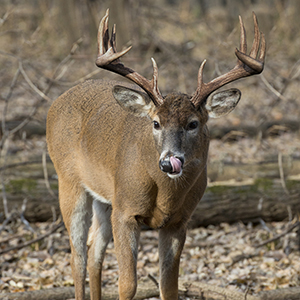
Although this year’s set of antlers is already determined, fall is when we start building toward the next set.
Keeping bucks in good body condition through the rut and post-rut period is an important part of year-round deer nutrition. Bucks need a well-balanced diet to help replenish body mass and bone mineral reserves while providing the amino acids needed to support future antler growth.
Mature white-tailed deer can sometimes go days without eating during the rut and may lose up to 30% of their body weight due to the stress of rutting activity.
Table of contents
Key Takeaways
- Year-round deer nutrition is essential for replenishing body mass and supporting future antler growth.
- Post-rut nutrition is crucial because mature bucks may enter this phase weakened and with limited forage quality.
- Ensure deer density aligns with habitat capacity and be ready to supplement during challenging periods.
- Provide a balanced protein and mineral supplement that complements, rather than replaces, native habitat.
- Antler growth requires attention year-round; evaluate nutritional programs regularly to support healthy deer herds.
Why Post-Rut Nutrition Matters
The post-rut period can be especially challenging for mature bucks. They may enter this period run down at a time when the quality of available forage is also declining.
Rebuilding body reserves takes priority. Bucks that are still working to restore body condition in late spring and summer may not have the nutritional resources available to reach their full antler growth potential.
That’s why planning for next year’s antlers starts well before you see new antler growth.
Start With Habitat and Carrying Capacity
So, how do you meet those nutritional needs throughout the year?
First, make sure deer density is appropriate for the available land and habitat. That may mean working with a wildlife biologist to evaluate your property and carrying capacity.
Next, be prepared to supplement the native habitat when needed, such as during drought, winter or periods when deer have higher nutrient requirements than the habitat can provide.
A combination of quality habitat, food plots and supplemental feed can help meet those changing nutritional needs.
Supplement the Habitat, Don’t Replace It
Providing a complete, balanced protein, mineral and energy supplement year-round can help support deer through the different stages of their nutritional cycle.
Whether bucks are growing antlers, replenishing body reserves or remodeling bone, adequate nutrition helps provide the foundation they need.
Most importantly, choose a supplement that complements the native habitat rather than replacing it. All the supplemental feed in the world will not replace good habitat.
Antler Growth Is a Year-Round Job
Just because you don’t see antlers growing doesn’t mean it’s time to take a break from supporting your herd nutritionally.
Antler growth is a year-round job. Late summer into early fall can be an especially important time to evaluate your feeding and management program and make sure you’re setting your herd up for the year ahead.
For a free nutritional evaluation of your current program, contact the Record Rack team anytime.
WARNING: The feeding and baiting of wild deer is prohibited in some regions. Consult local laws and regulations before using supplemental feeds and/or attractants.