Why Total Digestible Nutrients Mislead Wildlife Feeding

Total Digestible Nutrients, or TDN, is a common nutrient value that many professional game managers are led to believe indicates the value of one ration over another. While TDN is an indicator of the energy level of a ration or forage, it is not necessarily indicative of the total nutritional quality of one ration over another. TDN is simply an estimate of the energy content plain and simple.
Table of Contents
- Why High TDN Levels Don’t Always Equal Better Wildlife Nutrition
- How Grain Raises TDN and the Potential Health Risks It Creates for Deer
- TDN vs. Net Energy vs. Metabolizable Energy: Which Matters Most?
- The Problem with Using TDN as a Sales Metric in Wildlife Rations
- Why Limiting Grain Matters: Starch, NFC, and Wildlife Gut Health
- Build Rations that Support Habitat, Not Replace It
Key Takeaways
- Total Digestible Nutrients (TDN) measures energy but does not accurately reflect the nutritional quality for wildlife.
- High TDN levels often result from grain inclusion, which can harm wildlife due to risks like acidosis.
- Instead of focusing solely on TDN, consider Net Energy or Metabolizable Energy for better insights into ration value.
- Grain can be an effective feed ingredient but should be limited; rations should enhance native habitat benefits.
- Avoid overemphasizing TDN in wildlife nutrition; aim for well-formulated rations that support natural foraging.
Why High TDN Levels Don’t Always Equal Better Wildlife Nutrition
The primary concern when TDN is used as a value for wildlife is that you must consider the TDN level of grains. The TDN level of whole corn alone typically runs 88-90% on a dry matter basis. If TDN was such a great indicator of nutritional quality we would be able to feed straight whole corn and have better results than a formulated pelleted ration that has a lower TDN, but we know that’s simply not possible. Higher TDN levels due to high grain inclusions do not take into consideration what happens when we feed that kind of a ration to wildlife.
How Grain Raises TDN and the Potential Health Risks It Creates for Deer
Grain contains high levels of starch which in turn can lower ph levels of the rumen when consumed in high quantities. This can lead to acidosis which negatively impacts performance when these rations are used as free choice supplements for deer or exotics. TDN ranges in the 60s-70s range are common on well formulated feed with anything higher typically indicating high grain inclusion, but just because one feed is 65% TDN and another is 75% does not automatically indicate that one is better for wildlife than the other.
TDN vs. Net Energy vs. Metabolizable Energy: Which Matters Most?
At the end of the day its important to remember that TDN is just a calculation for total energy but not all of that is utilizable or good energy. TDN carries much more value in feedlots, dairies or the monogastric world but translates very poorly to the deer and exotic diet from a supplementation standpoint. Net Energy or one step farther Metabolizable Energy are much more indicative of the true energy value a ration provides for your wildlife and what should ultimately influence formulations.
The Problem with Using TDN as a Sales Metric in Wildlife Rations
To put it plainly, TDN should not carry much weight when evaluating wildlife rations. The TDN approach is a nutritional value that was never intended for wildlife but is now being employed as a sales technique when one ration has a higher grain inclusion than another. Grain is typically cheaper and while wildlife will readily consume it, the negative impacts of high grain rations in wildlife diets typically outweigh the benefits.
Why Limiting Grain Matters: Starch, NFC, and Wildlife Gut Health
Best advice would be to focus on rations that are formulated with max grain levels and test for starch or NFC to be sure they are not excessive. Certain fat sources are often overlooked as an energy source in wildlife and have been found to be a much better value on performance and rumen health as well.
Build Rations that Support Habitat, Not Replace It
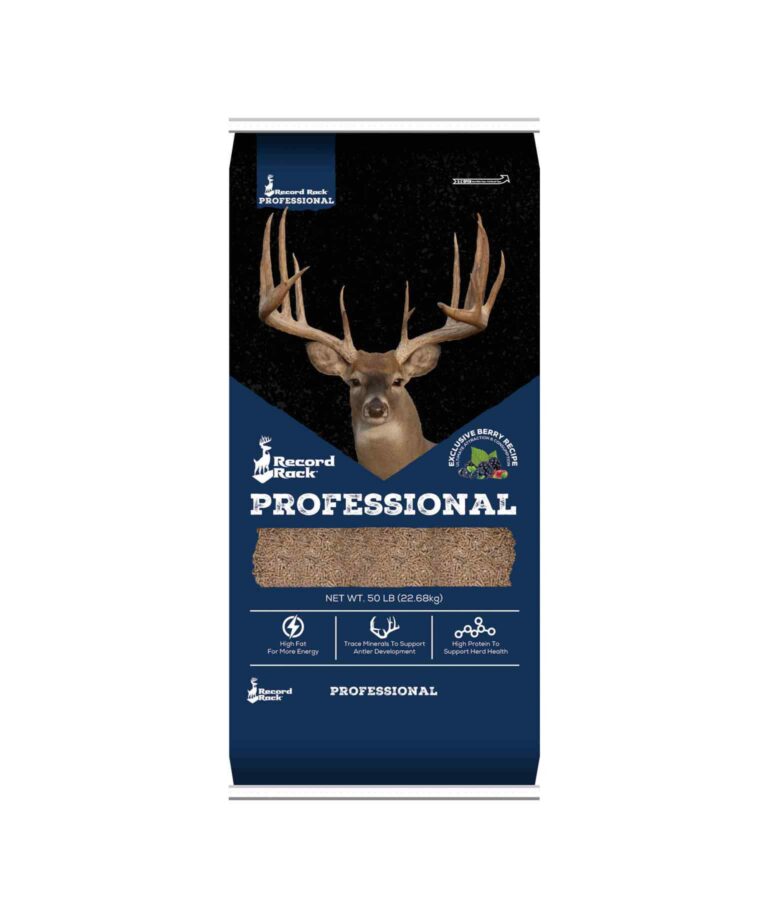
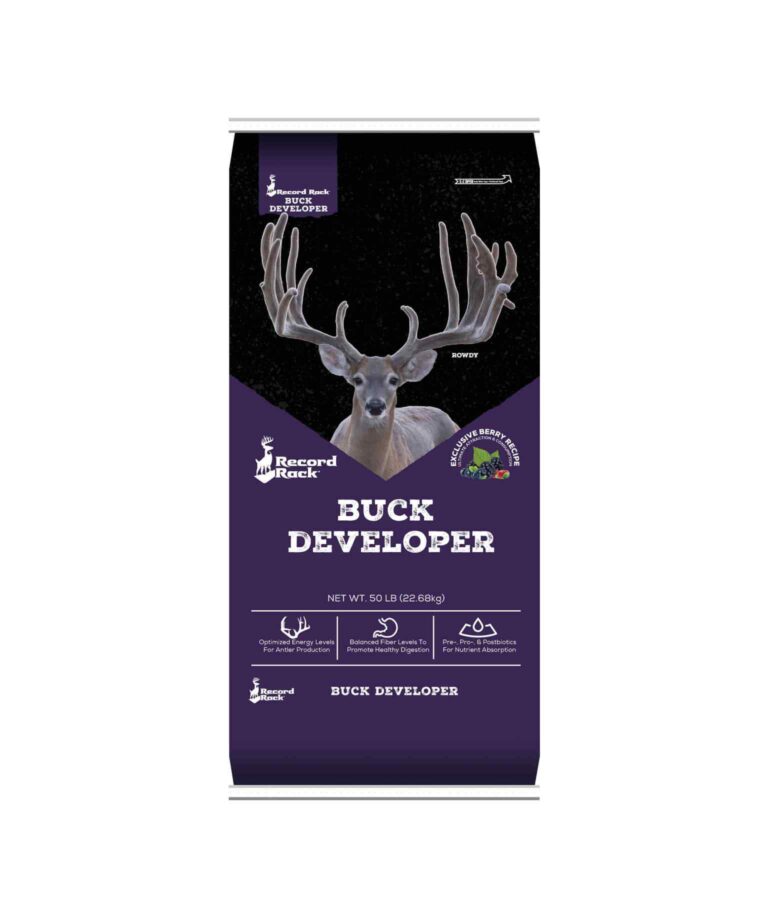
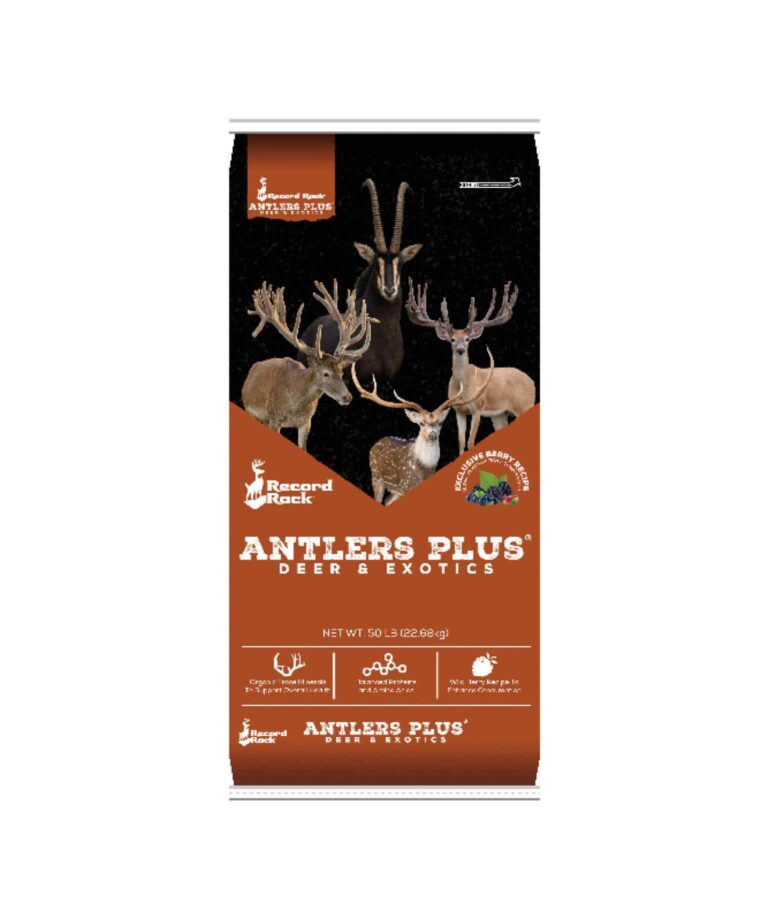
Grain is a great feed ingredient at certain levels and wonderful attractant that should be limit fed, but a true supplement should be just that, a supplement to quality habitat not a substitute. Rations, such as Record Rack products, that provide functional ingredients that allow wildlife to get more out of what their native habitat is providing and not just substituting macronutrients should be the goal of your supplementation program. With all the information out there at the touch of our fingers it can be easy to get hung up on silver bullet nutrition point, don’t let total digestible nutrients be one of them.